
In wholesale fashion, success is often measured by what a brand ships into retail. Strong order books, expanded distribution, and new retail partnerships can all suggest growth. But sell-in only tells part of the story. A product can be successfully shipped to a retailer and still underperform once it reaches the floor, leading to excess inventory, markdown pressure, and missed opportunities.
The real measure of success is not just what a brand sells into retail. It is what actually sells through to the end customer. That is why sell-through rate is one of the most important performance metrics for wholesale brands. It connects inventory, consumer demand, retail execution, and product performance into one clear view of how products are performing in the market.
Sell-through is more than a reporting metric. When analysed properly, it becomes the starting point for wholesale performance analytics. It helps brands understand what is working, where inventory is at risk, which products are gaining momentum, and where teams need to act next.
What Is Sell-Through Rate?
Sell-through rate measures the percentage of inventory sold compared to the amount received during a specific period. The formula is simple: units sold divided by units received, multiplied by 100. For example, if a retailer receives 1,000 units of a product and sells 650 units during a specific period, the sell-through rate is 65%.
At a basic level, sell-through answers one essential question: how much of the available inventory actually sold? For wholesale fashion brands, this question is critical because product performance is influenced by timing, inventory depth, pricing, allocation, store execution, and consumer demand. A product may appear successful at the order stage, but if it does not sell through effectively, the brand may face weaker future buys, higher markdowns, and reduced margins.
Unlike revenue-based metrics, sell-through gives brands a clearer view of true product movement. Revenue can be influenced by discounting, promotional activity, or price differences, while sell-through helps show whether inventory is actually moving at the rate expected.
Sell-Through vs. Sell-In: Why the Difference Matters
Sell-in and sell-through are closely connected, but they measure different parts of the wholesale journey. Sell-in refers to the inventory a brand sells into a retailer. It reflects orders, shipments, and distribution. Sell-through refers to the inventory that sells from the retailer to the end customer. It reflects real consumer demand.
This difference matters because strong sell-in can create the impression of success before the full performance picture is clear. A retailer may place a large order, but if the product does not sell through at store or channel level, the brand may still face performance challenges later in the season. Unsold inventory can lead to markdowns, weaker replenishment opportunities, and more difficult conversations with retail partners.
Sell-through gives brands visibility into what happens after products reach the retail floor. It helps teams understand whether demand is strong, whether inventory was allocated effectively, and whether products are positioned to perform. For wholesale brands, this makes sell-through one of the most valuable indicators of real market response.
Why Sell-Through Rate Matters for Wholesale Fashion Brands
Sell-through rate is powerful because it connects product decisions directly to consumer behaviour. A high sell-through rate can indicate strong product-market fit, effective pricing, healthy inventory levels, and strong retail execution. A low sell-through rate may point to overproduction, poor allocation, weak visibility, stock gaps, or a mismatch between assortment and demand.
This is especially important in fashion, where product lifecycles are short and timing is everything. A slow reaction can quickly turn into excess inventory, while a missed replenishment opportunity can result in lost sales. Brands need to understand performance early enough to act, not after the season has already moved on.
When teams have access to clear sell-through insights, they can identify bestsellers faster, spot slow-moving products earlier, and make smarter decisions around replenishment, redistribution, promotions, and future planning. This is where sell-through becomes more than a number in a report. It becomes a practical tool for improving wholesale performance.
Why Traditional Sell-Through Reporting Is No Longer Enough
Many wholesale brands rely on EDI 852 data to track retail sales and inventory performance. EDI 852 has long been an important standard for sharing point-of-sale and inventory information between retailers and brands. It provides useful visibility into what has sold, what remains in stock, and how inventory is moving across retail locations.
However, traditional sell-through reporting has clear limitations. Data can be delayed, meaning teams are often reviewing performance after key selling moments have already passed. Reporting can also be fragmented, with each retailer providing data in different formats, reporting structures, and timelines. This makes it difficult for brands to compare performance across partners without significant manual work.
The biggest challenge is that traditional reporting often lacks context. It may show what sold, but not why performance changed. Without additional visibility into stock availability, product visibility, promotions, location-level performance, and execution consistency, teams are left interpreting numbers without the full picture. As a result, many brands spend too much time collecting and cleaning data, and not enough time using it to make decisions.
From Sell-Through Reporting to Wholesale PerformanceAnalytics
The next stage of sell-through management is not just better reporting. It is better analytics. Reporting tells teams what happened. Analytics helps them understand why it happened, what it means, and what action should follow.
Wholesale performance analytics brings together sales, inventory, product, store, retailer, and channel-level data into a more connected view. Instead of looking at sell-through as a standalone percentage, brands can analyse it alongside the factors that influence performance. This helps teams understand whether a product is underperforming because of weak demand, limited stock, poor allocation, lack of visibility, or promotional timing.
This shift allows brands to ask better questions. Which products are gaining momentum across retailers? Where are stock-outs creating missed sales opportunities? Which stores or channels are underperforming? Which products should be replenished, redistributed, promoted, or protected from markdowns? These are the questions that turn sell-through from a simple KPI into a growth tool.
Why Sell-Through Is the Gateway Metric
Sell-through is the gateway metric because it sits at the centre of wholesale performance. It connects demand, inventory, merchandising, pricing, planning, and retailer execution. When analysed properly, it opens the door to deeper insights across the business.
For merchandising teams, sell-through helps identify which products, sizes, colours, and categories are resonating with customers. For planning teams, it supports smarter forecasting, allocation, and replenishment decisions. For sales teams, it strengthens retailer conversations by providing data-backed insights into what is working and where support may be needed. For leadership, it creates a clearer view of performance beyond shipments and revenue.
In other words, sell-through is not just a percentage. It is the starting point for understanding the health of the wholesale business. Once brands can clearly see what is selling, where it is selling, and how quickly it is moving, they can make more confident decisions across every part of the retail lifecycle.
How SKYPAD Helps Brands Move Beyond Manual Sell-Through Reporting
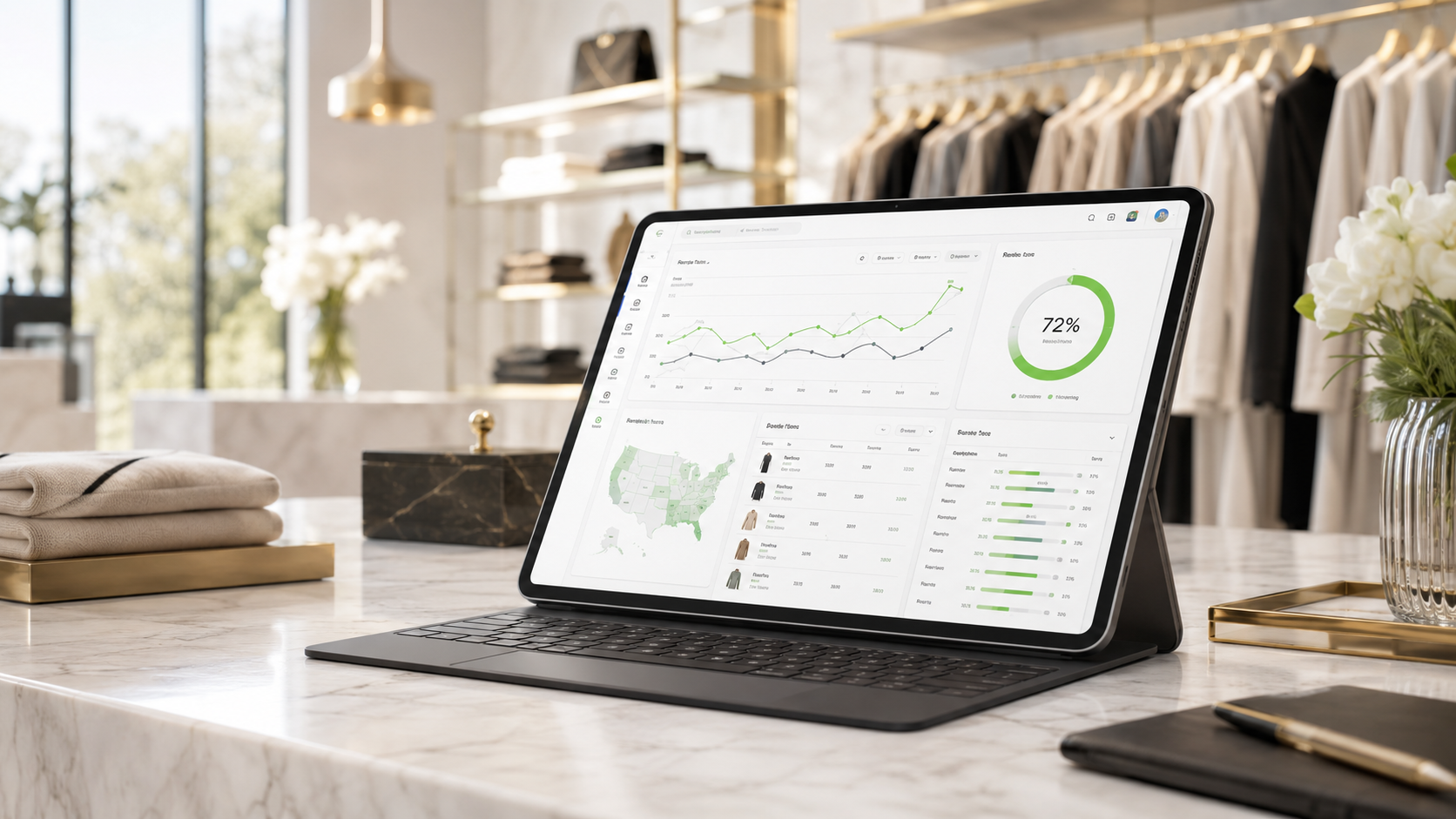
SKYPAD helps wholesale brands transform sell-through data into actionable performance intelligence. Instead of relying on fragmented files, delayed reporting, and manual spreadsheets, SKYPAD standardises retail sales and inventory data across partners, channels, stores, and SKUs. This gives teams one unified view of performance across their retail network.
With clearer visibility into sell-through performance, brands can identify trends faster, uncover risks earlier, and make more confident decisions. Teams can understand what is selling, where inventory is at risk, which products need action, and which opportunities should be scaled. This helps brands move from reactive reporting to proactive performance management.
SKYPAD also supports stronger collaboration between brands and retailers. When teams have access to clear, standardised data, conversations become more focused and actionable. Instead of relying on assumptions or disconnected spreadsheets, brands can bring insights to the table that support better decisions around inventory, replenishment, assortment, and future planning.
The Role of Unified Data in Smarter Decision-Making
One of the biggest challenges in wholesale is data fragmentation. Brands often work with multiple retail partners, each with different reporting formats, naming conventions, timelines, and levels of detail. Without a standardised view, it becomes difficult to compare performance across retailers and understand the full picture.
Unified data changes that. When sales and inventory data is standardised in one platform, teams can compare performance more clearly across retailers, stores, products, and channels. They can identify patterns that would be difficult to see in disconnected spreadsheets and understand where action is needed most.
This gives brands a stronger foundation for decision-making. Instead of reacting to isolated reports, teams can manage performance across the full retail landscape. They can see what is happening, understand why it matters, and take action with greater confidence.
How Better Sell-Through Analytics Improves Wholesale Performance
Better sell-through analytics can improve performance across the entire wholesale business. Brands can align production and future buys with real consumer demand, reducing the risk of overstock. They can identify slow-moving products earlier, helping reduce markdown exposure and protect margins. They can also spot stock-outs and replenishment opportunities faster, helping capture demand while it is still active.
Stronger analytics also improves retail execution. If a product is underperforming in certain stores or channels, teams can investigate whether the issue is related to inventory availability, allocation, visibility, or local demand. This gives brands a more practical way to support their retail partners and improve outcomes.
Most importantly, better sell-through analytics helps teams move faster. When brands are no longer waiting on fragmented reports or manually reconciling data, they can spend more time acting on insights. That speed is becoming a major competitive advantage in wholesale fashion.
What a Good Sell-Through Rate Looks Like
There is no single “good” sell-through rate that applies to every brand, category, or retailer. A strong sell-through rate depends on several factors, including product category, seasonality, price point, promotional strategy, inventory depth, and lifecycle stage.
A seasonal fashion item may need to sell through quickly within a short selling window, while a core replenishment item may be evaluated over a longer period. A new product launch may require a different benchmark than an established bestseller. This is why sell-through should not be analysed in isolation.
The value of sell-through comes from understanding what the number means in context. A high sell-through rate may be positive, but it could also signal that inventory was too limited and demand was missed. A low sell-through rate may indicate weak demand, but it could also reflect poor product visibility, late delivery, or incorrect allocation. The goal is not just to measure the percentage. The goal is to understand what action should follow.
The Future of Sell-Through Analytics
The future of wholesale performance will be shaped by faster, more connected, and more predictive analytics. Brands will increasingly need tools that help them move from historical reporting toforward-looking decision-making. As retail data ecosystems become more connected, sell-through analytics will play a larger role in forecasting, inventory planning, allocation, and retailer collaboration.
Artificial intelligence and predictive insights will make sell-through data even more valuable. Instead of only identifying what happened, brands will be able to anticipate risks and opportunities earlier. Teams will be better equipped to forecast demand, identify potential stock issues, and make more proactive decisions across products, stores, and channels.
But the foundation remains the same: clean, unified, timely data. Without that foundation, brands are left with fragmented information and delayed decisions. With it, sell-through becomes a strategic advantage.
Final Thoughts
Sell-through rate is one of the most important metrics in wholesale fashion because it reveals what truly matters:whether products are selling to the end customer. But the real value of sell-through is not just in the calculation. It is in how brands use it.
Basic reporting can show performance after the fact. Advanced analytics can help brands understand performance, act oninsights, and improve outcomes across retailers, channels, stores, and SKUs. That is why sell-through rate is the gateway metric to smarter wholesale performance analytics.
With SKYPAD, brands can move beyond manual reporting and fragmented data to gain a unified view of sales and inventory performance. The result is faster insight, stronger retailer collaboration, and more confident decision-making across the wholesale business.
Ready to turn sell-through data into smarter retail decisions? Request a SKYPAD demo today.