
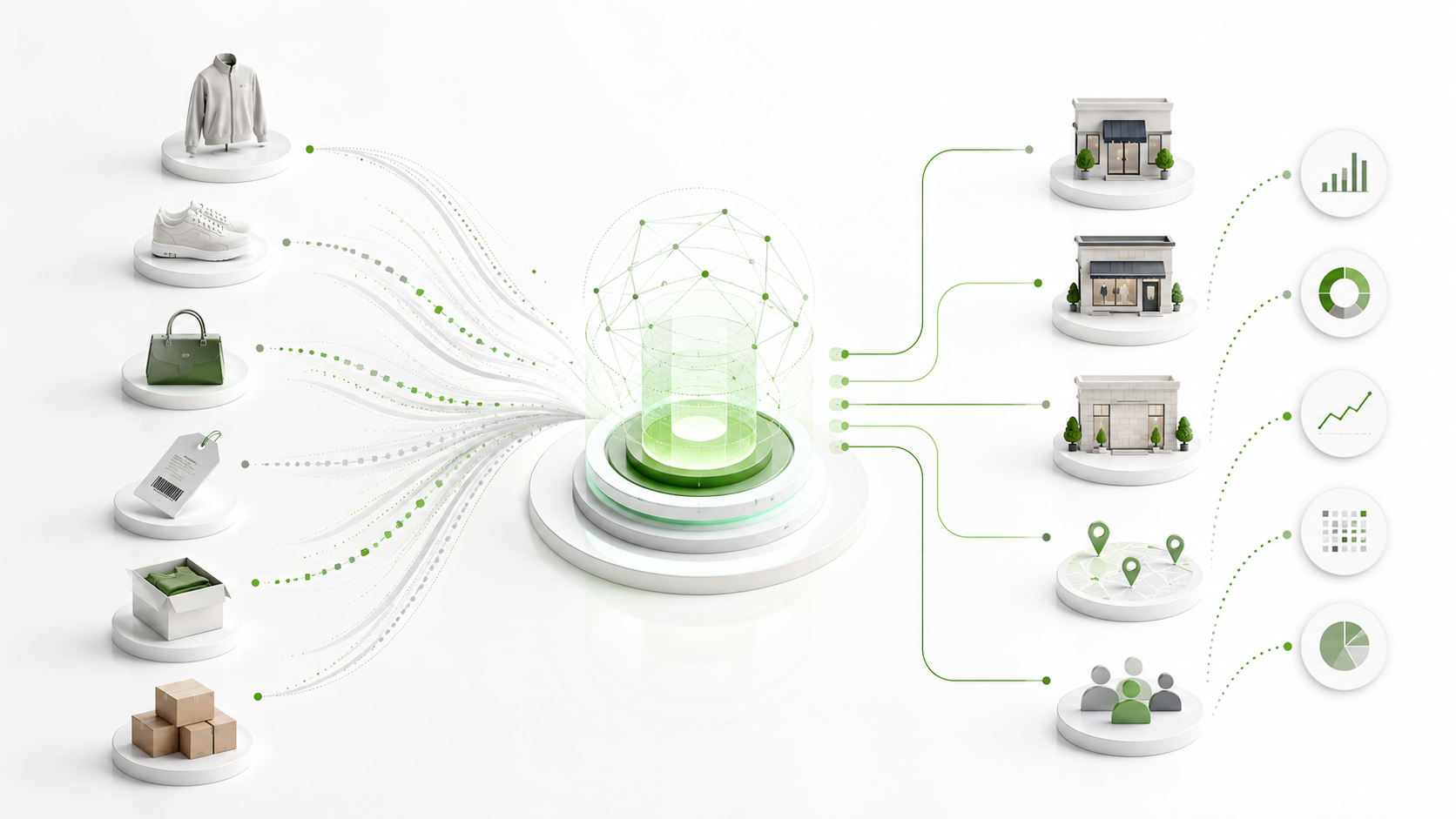
For wholesale brands, retail performance data is one of the most valuable assets in the business. It shows what is selling, where inventory is moving, which retailers are driving growth, and where teams may need to take action. But as retail networks become more complex, many brands still struggle to turn that data into clear, usable insight.
The challenge is rarely a lack of data. Most brands have access to more reports, files, portals, and spreadsheets than ever before. The problem is that the data is often fragmented across retailers, channels, stores, and systems. Each partner may share information in a different format, at a different time, and with different levels of detail. That makes it difficult for teams to get one consistent view of performance.
A retail data analytics platform should solve that problem. It should help brands centralize retail data, standardize reporting, and understand performance across partners with greater speed and confidence. But not every platform is built to support the realities of wholesale retail. Before choosing a solution, brands need to know what capabilities actually matter.
Start with the Business Problem, Not the Dashboard
Many brands begin their search for a retail analytics platform by looking at dashboards. While dashboard design matters, it should not be the first priority. A dashboard is only useful if the data behind it is reliable, consistent, and aligned to the decisions teams need to make.
The better starting point is the business problem. Is the brand trying to reduce manual reporting? Improve sell-through visibility? Compare performance across multiple retailers? Identify stock risks earlier? Support better forecasting and replenishment? Strengthen retailer conversations? The right platform should directly support these priorities.
A strong retail data analytics platform should not simply display information. It should help teams move from scattered reports to faster, more actionable decisions. That means the platform needs to be built around how merchandising, planning, sales, operations, and leadership teams actually use retail data.
Unified Sales and Inventory Data
One of the most important requirements is the ability to unify sales and inventory data across retail partners. Sales data shows what is moving. Inventory data shows whether the brand is positioned to support demand. When those two views are disconnected, teams can miss important risks and opportunities.
For example, a product with strong sales may look healthy, but if inventory is low, the brand may be at risk of stock-outs and missed revenue. A product with slower sales and high inventory may need closer attention before markdown pressure increases. A retailer may appear stable at a high level, while specific stores or SKUs are showing performance gaps.
A good retail data analytics platform should bring sales and inventory together in one view so teams can understand performance in context. This helps brands make smarter decisions around replenishment, allocation, forecasting, promotions, and retailer support.
Standardization Across Retailers
Retailer data is often inconsistent. Product names, SKU structures, reporting periods, store fields, channel definitions, and file formats can vary significantly from one partner to another. Without standardization, brands may spend hours cleaning data before it can be used.
Standardization is one of the most important capabilities to look for in a retail data analytics platform. The platform should help transform fragmented retailer data into a consistent structure that teams can trust. This makes it easier to compare performance across partners and reduces the risk of errors from manual reporting.
For brands working with many retailers, standardization is not a technical detail. It is what makes cross-retailer analytics possible. Without it, teams are left comparing disconnected reports that may not align properly. With it, brands can build a clearer and more reliable view of performance across the retail landscape.
SKU, Store, Channel, and Retailer-Level Visibility
High-level performance summaries are useful, but they rarely tell the full story. A brand may need to know which retailer is driving growth, which store group is underperforming, which channel is building momentum, or which SKU is creating inventory risk. That level of visibility is essential for practical decision-making.
A retail data analytics platform should allow teams to analyze performance by SKU, style, color, size, store, channel, retailer, and time period. This level of detail helps teams understand where performance is strong and where action may be needed.
SKU-level visibility is especially important in fashion and wholesale retail. A style may look healthy overall, while certain sizes are selling out and others are sitting. A color may perform well with one retailer but lag with another. Without granular visibility, teams may make decisions based on averages that hide the most important insights.
Actionable Insights, Not Just Reports
A platform should help teams understand what the data means, not just present numbers. Basic reporting can show what happened. Better analytics helps explain why it happened and what to do next.
This could include highlighting products with high sell-through and low inventory, identifying slow-moving items with excess stock, surfacing unusual store-level performance, or showing which retailers are driving demand for specific categories. These insights help teams prioritize action instead of manually searching through spreadsheets.
The most useful platforms make it easier to identify risks and opportunities quickly. They help teams focus on the areas where action can have the biggest impact, whether that means replenishing a strong performer, redistributing inventory, supporting a slow mover, or preparing a more informed retailer conversation.
Scalability for Growing Retail Networks
A retail data analytics platform should be able to support growth. As brands add new retail partners, reporting complexity increases. Each new account can bring new files, portals, formats, and workflows. If the platform cannot scale, teams may end up recreating the same manual processes in a slightly different system.
Brands should look for a solution that can support multi-retailer reporting and reduce incremental workload as the retail network expands. The goal should be to make it easier to add new data sources, maintain consistency, and continue comparing performance across the business.
Scalability also matters for internal users. Different teams need different views. Leadership may need a high-level performance summary, while planners may need SKU and inventory detail. Sales teams may need retailer-specific insights, while merchandising teams may focus on product and category trends. The platform should support these different use cases without becoming overly complicated.
Reliable Data for Better Forecasting and Planning
Retail analytics is not only about understanding current performance. It also supports future planning. Clean and consistent sales and inventory data can help brands improve forecasting, allocation, replenishment, and assortment decisions.
When teams can see how products performed across retailers, stores, channels, and time periods, they gain a stronger foundation for future decisions. They can identify which products had strong sell-through, which categories needed more support, and where inventory planning could be improved.
This is especially important as brands begin exploring more advanced analytics and AI-driven insights. Predictive capabilities depend on reliable data. A platform that creates a clean, unified data foundation can help brands prepare for more sophisticated decision-making over time.
How SKYPAD Supports Retail Data Analytics for Brands
SKYPAD helps brands centralize and standardize retail sales and inventory data across their retail partners. Instead of relying on disconnected spreadsheets, retailer portals, and manual reporting workflows, teams can access a clearer view of performance across products, stores, channels, SKUs, and retailers.
With SKYPAD, brands can move beyond basic reporting and use retail data to identify trends, risks, and opportunities faster. Teams can understand what is selling, where inventory is moving, which products need action, and where retail performance can be improved.
For brands choosing a retail data analytics platform, SKYPAD offers a solution built around the realities of wholesale performance management: fragmented retailer data, the need for consistent visibility, and the importance of faster, more confident decision-making.
Final Thoughts
Choosing a retail data analytics platform is not just a technology decision. It is a performance decision. The right platform should help brands reduce manual reporting, unify sales and inventory data, standardize information across retailers, and make faster decisions across the wholesale business.
Brands should look beyond dashboard design and focus on the capabilities that create real value: clean data, cross-retailer visibility, SKU-level detail, actionable insights, and scalable reporting workflows. With the right foundation, retail data becomes more than a report. It becomes a tool for improving performance.