
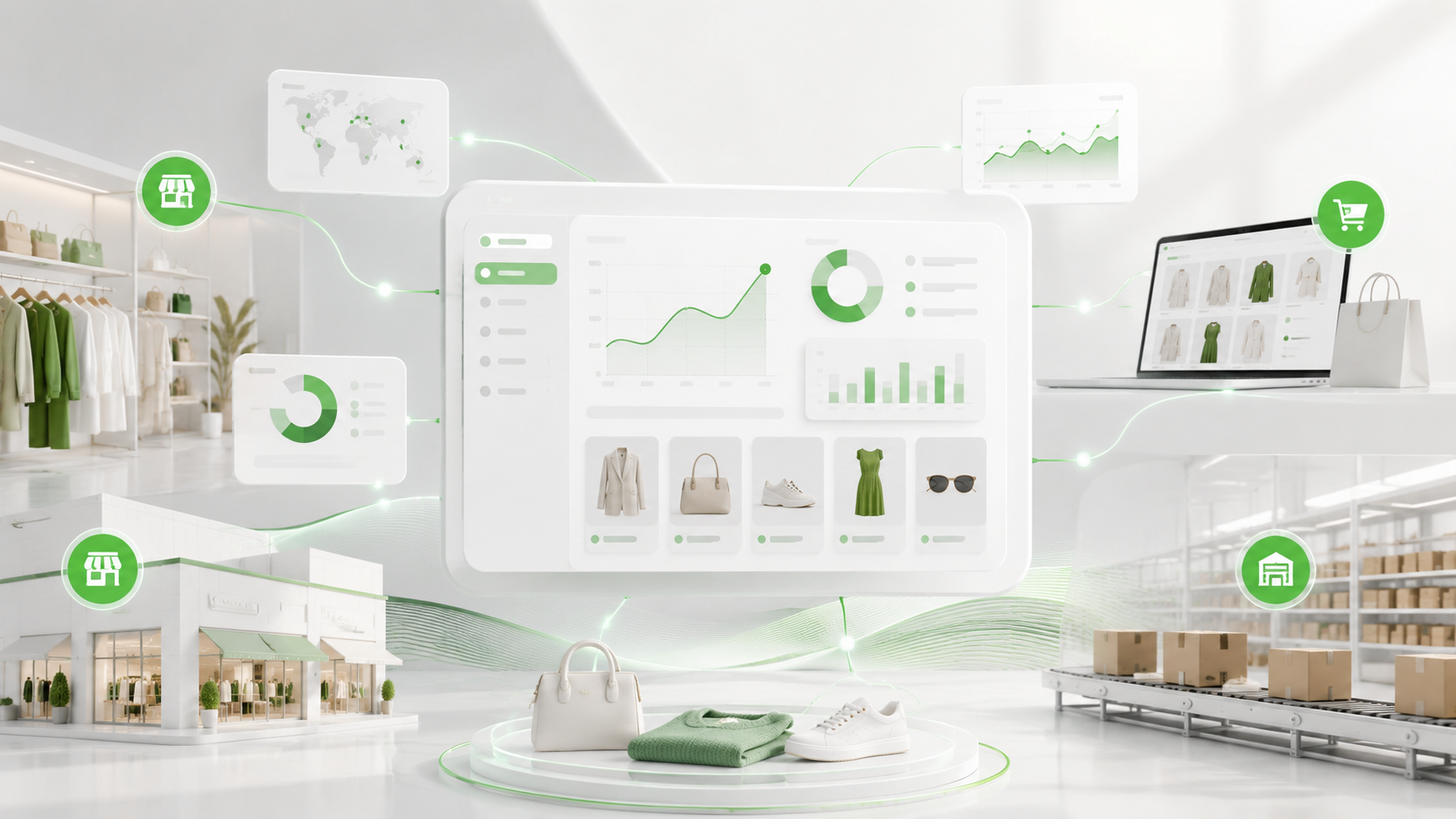
For wholesale brands, sell-through reporting is one of the most important ways to understand what is happening after products reach the retail floor. It shows which products are selling, where inventory is moving, which stores or channels are performing, and where teams may need to take action. But for many brands, the process of collecting and analysing sell-through data is still highly manual.
Retail partners often provide sales and inventory data in different formats, at different times, and with different levels of detail. One retailer may send a weekly file, another may use a portal, and another may provide reports with different product names, location structures, or reporting fields. As a brand grows its retail network, this quickly becomes difficult to manage.
The result is a reporting process that takes too much time and delivers insights too late. Teams spend hours downloading files, cleaning spreadsheets, matching product information, and consolidating data before they can even begin to understand performance. By the time the report is ready, the opportunity to act may already have passed.
This is why automating sell-through reporting has become essential for brands that want to make faster, smarter wholesale decisions.
What Is Sell-Through Reporting?
Sell-through reporting tracks how much inventory has sold through from a retailer to the end customer. It gives brands visibility into product performance after inventory has been shipped into retail. Instead of only measuring what was sold into a retailer, sell-through reporting shows what actually sold to consumers.
This distinction is important. Sell-in data may show that a retailer placed a strong order, but it does not reveal whether those products are moving at store or channel level. Sell-through reporting helps brands understand true consumer demand, identify slow-moving products, spot replenishment opportunities, and reduce the risk of excess inventory or markdowns.
A strong sell-through report usually includes key metrics such as units sold, units on hand, sell-through rate, stock levels, sales by location, sales by SKU, and performance over time. When this information is accurate and timely, it becomes a powerful tool for merchandising, planning, sales, and leadership teams.
Why Manual Sell-Through Reporting Creates Problems
Manual sell-through reporting may work when a brand has only a few retail partners, but it becomes harder to manage as the business scales. Each retail partner has its own way of sharing data, which means teams often have to spend significant time standardising files before they can compare performance.
This creates several challenges. First, manual reporting is time-consuming. Teams may spend hours or even days preparing reports instead of analysing the information. Second, manual processes increase the risk of errors. When data is copied, reformatted, and adjusted across multiple spreadsheets, mistakes can easily happen. Third, manual reporting creates delays. If teams are waiting for files, cleaning data, or reconciling formats, they are not seeing performance in time to act quickly.
The biggest issue is that manual reporting keeps teams reactive.Instead of identifying risks and opportunities as they emerge, brands often discover them after the moment has passed. A product may sell out in key locations before the team notices. A slow-moving item may continue to build markdown risk. A retailer conversation may happen without the most complete or current performance data.
For brands managing multiple retail partners, this is no longer efficient or sustainable.
What It Means to Automate Sell-Through Reporting
Automating sell-through reporting means replacing repetitive manual processes with a more connected, standardised workflow. Instead of collecting individual files, cleaning spreadsheets, and manually building reports, brands can centralise sales and inventory data from multiple retail partners into one consistent view.
The goal is not simply to make reporting faster. The goal is to make reporting more useful. When sell-through data is automated, teams can spend less time preparing information and more time using it to make decisions. They can identify performance trends earlier, compare retailers more clearly, and understand what actions need to happen next.
Automation also gives teams a more reliable foundation for analysis. When data is standardised across retailers, products, stores, and channels, brands can build reports that are consistent and easier to trust. This helps remove confusion and creates a clearer view of wholesale performance.
How to Automate Sell-Through Reporting Across Multiple RetailPartners
The first step in automating sell-through reporting is centralising retail sales and inventory data. Brands need a way to bring information fromdifferent retail partners into one environment, rather than managing each partner separately. This creates a single source of truth for performance across the wholesale business.
The next step is standardisation. Retailers may use different formats, naming conventions, product identifiers, and reporting structures. To make the data useful, brands need to align it into a consistent structure. This allows teams to compare performance across partners without manually reworking every report.
Once the data is centralised and standardised, brands can begin building automated views of performance. Instead of recreating reports every week, teams can access dashboards or recurring reports that show sell-through rate, sales, inventory, product movement, location performance, and other key metrics. This makes it easier to track what is happening across the retail network on an ongoing basis.
The final step is turning reporting into action. Automated sell-through reporting should help teams identify where inventory is at risk, where demand is growing, which products need replenishment, and which retailers or locations require additional support. The value of automation is not only in saving time. It is in helping teams make better decisions faster.
Why Automation Matters for Brands with Multiple Retail Partners
The more retail partners a brand works with, the more complex sell-through reporting becomes. Each partner adds another layer of data,another reporting format, and another timeline to manage. Without automation, this complexity can slow down the entire business.
Automated sell-through reporting helps brands manage this complexity by creating a more scalable process. Instead of adding more manual work every time a new retailer is added, brands can bring new data into an existing reporting framework. This supports growth without overwhelming internal teams.
Automation also improves cross-retailer visibility. Brands can compare product performance across partners, identify where certain styles are performing best, and understand how inventory is moving across the broader retail landscape. This is difficult to achieve when each retailer report is managed separately.
For wholesale brands, this visibility can directly support stronger planning, better allocation, smarter replenishment, and more strategic retailer conversations.
Moving from Reports to Performance Insights
A common mistake is thinking that sell-through automation is only about producing reports faster. In reality, the bigger opportunity is moving from basic reporting to performance insight.
A manual report might show that a product sold 500 units last week.An automated sell-through reporting process can help teams understand where those units sold, how much inventory remains, whether the product is gaining momentum, whether certain stores are underperforming, and whether replenishment is needed.
This is the difference between seeing data and using data. When reports are automated and connected, teams can move beyond asking what happened. They can start asking why it happened and what should happen next.
That shift is especially important in fashion and retail, where timing matters. A delayed insight can mean missed sales, unnecessary markdowns, or inventory sitting in the wrong place. Faster visibility gives brands the opportunity to act while performance can still be influenced.
How SKYPAD Supports Automated Sell-Through Reporting
SKYPAD helps brands automate and simplify sell-through reporting across multiple retail partners by standardising sales and inventory data intoone unified platform. Instead of relying on disconnected spreadsheets and inconsistent reporting formats, brands can access a clear view of performance across retailers, stores, channels, and SKUs.
This helps teams reduce the manual work involved in collecting, cleaning, and reconciling data. With SKYPAD, brands can spend less timepreparing reports and more time understanding performance. Teams can identifywhat is selling, where inventory is moving, which products may need action, andwhere opportunities are emerging.
SKYPAD also helps brands strengthen retailer collaboration. When teams have access to consistent, data-backed insights, conversations with retail partners become more focused and productive. Instead of relying on assumptions or delayed reporting, brands can bring clear performance visibility into discussions around replenishment, allocation, assortment, and future planning.
For brands managing multiple retail relationships, this creates amore scalable and strategic approach to sell-through reporting.
The Benefits of Automated Sell-Through Reports
Automated sell-through reports can create value across the entire wholesale business. Merchandising teams can identify product trends faster and understand which styles, colours, sizes, or categories are resonating with consumers. Planning teams can use clearer inventory visibility to support forecasting, allocation, and replenishment decisions. Sales teams can use performance insights to guide retailer conversations and uncover growth opportunities.
Automation also helps reduce risk. When brands can identify slow-moving products earlier, they have more time to respond before markdown pressure increases. When they can spot stock-outs or low inventory levels sooner, they have more opportunities to capture demand. When they can compare performance across retailers, they can make more informed decisions about whereto invest, support, or adjust.
Most importantly, automated reporting gives teams more confidence.Decisions are no longer based on fragmented files or outdated spreadsheets.They are grounded in clearer, more consistent data.
What to Look for in an Automated Sell-Through Reporting Solution
When choosing a sell-through reporting solution, brands should look for more than basic dashboard functionality. The most important requirement is the ability to bring together data from multiple retail partners and standardise it into a consistent view. Without standardisation, teams may still be left doing manual work behind the scenes.
Brands should also look for SKU, store, channel, and retailer-level visibility. High-level reporting can be useful, but the most valuable insights often come from understanding performance at a more detailed level. This level of granularity helps teams identify specific risks and opportunities that would otherwise be hidden.
The right solution should also support action. A sell-through reportshould not simply show numbers. It should help teams understand what thosen umbers mean and what decisions need to happen next. For modern wholesale brands, reporting should be a foundation for performance management, not just are trospective summary.
Final Thoughts
Automating sell-through reporting across multiple retail partners is no longer just an operational improvement. It is a competitive advantage.Brands that rely on manual reporting are often slower to react, more exposed to errors, and less equipped to understand performance across their retail network.
By automating sell-through reports, brands can reduce manual work, improve visibility, and make faster decisions across merchandising, planning ,sales, and leadership teams. They can move from fragmented reporting to unified performance intelligence.
SKYPAD helps brands make that shift by bringing sales and inventory data together in one standardised platform. With clearer visibility across retailers, stores, channels, and SKUs, brands can act faster, collaborate more effectively, and turn sell-through reporting into a smarter way to manage wholesale performance.
Ready to automate sell-through reporting across your retail partners? Request a SKYPAD demo today.