
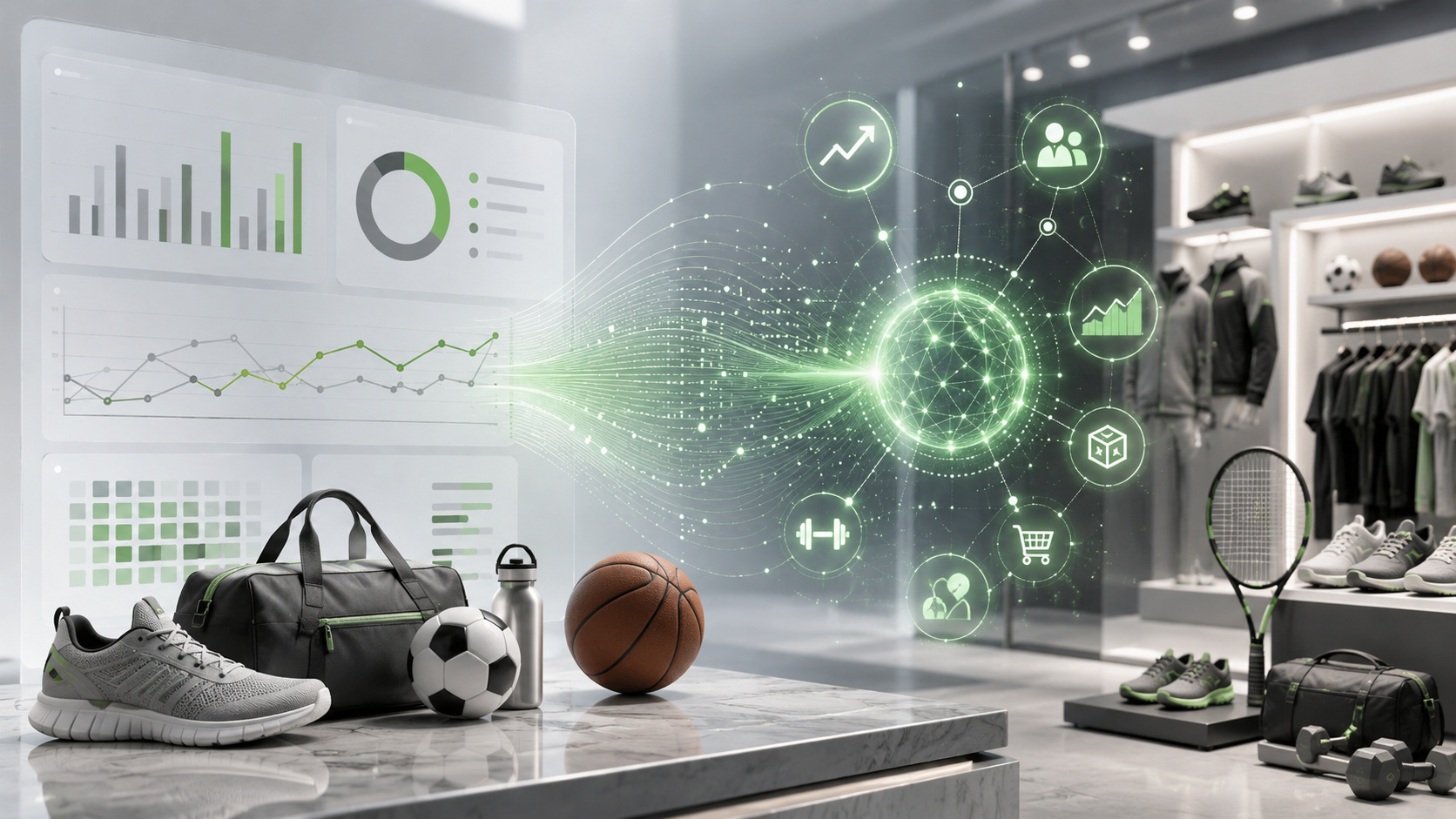
How AI Is Changing Retail Reporting From Static Dashboards to Actionable Insights
Retail reporting has traditionally been built around dashboards, spreadsheets, and weekly performance summaries. These tools are useful, but they often require teams to interpret the data manually. A dashboard may show what happened, but it may not always explain why it happened, what matters most, or what action should come next.
Artificial intelligence is beginning to change that expectation. Instead of relying only on static reports, retail teams are looking for analytics that can surface patterns, flag risks, and guide attention toward the most important opportunities. AI has the potential to make retail reporting faster, more contextual, and more actionable.
But AI does not replace strong reporting fundamentals. To be useful, AI needs clean, standardized, and timely retail data. The real opportunity is not simply adding AI to dashboards. It is using AI to help teams move from passive reporting to smarter decision support across sales, inventory, products, stores, channels, and vendor relationships.
The Limitations of Static Retail Dashboards
Static dashboards are valuable because they organize information and make performance easier to review. They can show sales trends, inventory levels, sell-through rates, product performance, and store or channel results. But dashboards often rely on users to know what to look for.
A merchandising team may need to scan multiple views to find slow-moving products. A planning team may need to compare sales and inventory manually to spot stock-out risk. A retailer may need to review vendor performance across different categories before identifying where support is needed. In each case, the dashboard provides data, but the team still has to search for the insight.
This can slow decision-making, especially when teams are managing large product assortments, multiple retailers, and changing customer demand. Static dashboards can answer what happened, but they do not always help users prioritize what matters most.
How AI Can Make Retail Reporting More Actionable
AI can help make retail reporting more actionable by identifying patterns and exceptions that may not be obvious at first glance. Instead of expecting users to manually review every dashboard view, AI can help surface the areas that need attention.
For example, AI can help identify products that are gaining momentum, flag items with high sell-through and low inventory, highlight stores where performance is unusual, or detect categories where sales are slowing. It can also help teams understand changes over time and prioritize the most important risks or opportunities.
This does not mean AI makes the decision for the team. Rather, it helps guide the team toward the right questions. Why is this product accelerating? Is low inventory creating missed demand? Are certain locations underperforming because of allocation, visibility, or local demand? These are the types of questions that turn reporting into action.
From Reporting What Happened to Understanding What Matters
The biggest shift AI brings to retail reporting is the move from backward-looking summaries to more proactive insight. Traditional reports often show what happened in the last week, month, or season. AI can help teams understand which signals matter now and which trends may influence future performance.
For brands, this can support better sell-through analysis, inventory planning, replenishment, and retailer conversations. For retailers, it can support vendor collaboration, category performance reviews, and more efficient reporting workflows. In both cases, AI can help teams focus on the decisions that matter most.
This is especially important in fashion and wholesale, where timing is critical. A delayed insight can mean a missed replenishment opportunity, growing markdown risk, or inventory sitting in the wrong place. AI can help reduce the time between identifying a signal and taking action.
AI Needs Clean Retail Data to Work
AI is only as strong as the data behind it. If retail data is fragmented, inconsistent, or delayed, AI-driven insights maybe incomplete or misleading. This is why clean data is one of the most important requirements for AI in retail reporting.
Retail data often comes from multiplesources. Brands may receive data from many retail partners, each with different formats, reporting timelines, product structures, and levels of detail. Retailers may manage vendor information, store-level sales, inventory, andreporting workflows across different systems. Without standardization, it becomes difficult to compare performance reliably.
Before AI can identify useful patterns, the data needs to be accurate, structured, and connected. Sales data should align with inventory data. Product and SKU information should be consistent. Store, channel, retailer, and time-period data should be comparable. Without this foundation, AI may create faster outputs, but not necessarily better decisions.
The Role of Context in AI-Powered Reporting
Retail performance cannot be understood through sales data alone. A product may have low sales because demand is weak, but it may also have low sales because inventory was limited or allocated incorrectly. A high sell-through rate may indicate strong demand, but it may also signal that inventory was too shallow and additional sales were missed.
AI-powered reporting becomes more valuable when it has context. Sales, inventory, product, store, channel, retailer, and time-based data all help explain what is really happening. The more context available, the better AI can help teams understand performance signals and decide what deserves attention.
This is why AI should be viewed as part of a larger analytics foundation. It is not just about generating recommendations. It is about connecting the right data points so the recommendations are grounded in the reality of the business.
What AI-Enhanced Retail Reporting Could Help Teams Do
AI-enhanced retail reporting can help teams identify exceptions faster, prioritize risks, and uncover opportunities that may be difficult to see manually. It can help brands find products that need replenishment, categories that may be overstocked, stores with unusual performance patterns, and emerging trends across retailers or channels.
It can also help reduce reporting fatigue.Instead of asking teams to review every dashboard and every spreadsheet, AI can help highlight what changed, why it may matter, and where the team should focus first. This can make analytics more accessible across merchandising, planning, sales, operations, and leadership teams.
The goal is not to replace human expertise. The goal is to help teams use their expertise more efficiently. AI can surface the signals, but business teams still apply judgment, context, and commercial strategy to determine the right action.
How SKYPAD Supports More Actionable Retail Reporting
SKYPAD helps brands and retailers build the data foundation needed for more actionable retail reporting. By standardizing and centralizing sales and inventory data, SKYPAD gives teams a clearer view of performance across products, stores, channels, SKUs, retailers, and vendor partners.
This foundation is essential for AI-ready analytics. When retail data is unified and reliable, teams can move beyond static reporting toward insights that are easier to understand and act on. Brands can identify sell-through risks, inventory opportunities, and product trends faster. Retailers can support better vendor collaboration and more scalable performance visibility.
As AI continues to evolve, the value of clean, connected retail data will only become more important. SKYPAD helps create that foundation so teams can make faster, more confident decisions from their reporting workflows.
Final Thoughts
AI is changing what retail teams should expect from reporting. Dashboards and spreadsheets will continue to play a role, but the future of retail analytics will be more proactive, contextual, and action-oriented.
The most valuable AI-driven reporting will not simply show more data. It will help teams understand what matters, where to focus, and what decisions need to happen next. But for that to work, brands and retailers need clean, standardized, and connected data.
With the right foundation, AI can help retail teams move from static dashboards to actionable insights that support better performance across the business.